

The Growing Popularity of Innovative Housing Solutions Across the UK
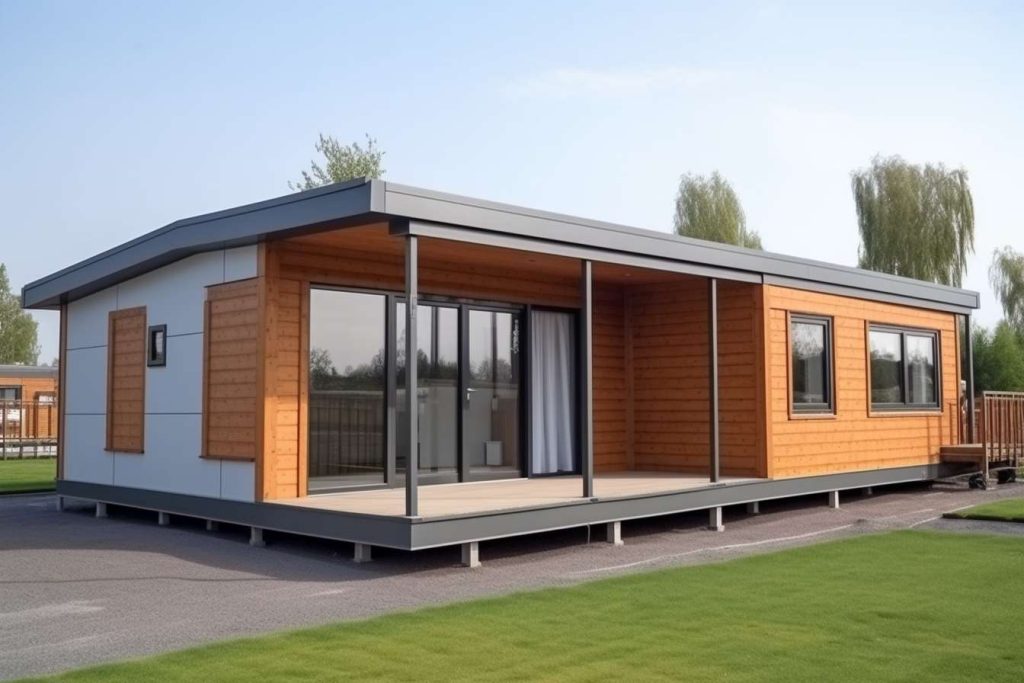
The Benefits of Prefabricated Homes
Prefabricated homes, commonly known as prefab homes, are constructed off-site in sections or modules before being transported for assembly at the final location. This method boasts numerous advantages over traditional building techniques.
- Efficiency and Speed: One of the most significant advantages of prefabricated homes is the speed with which they can be constructed. Components are manufactured in a controlled factory environment, allowing construction to occur simultaneously with site preparation. This parallel process significantly reduces the overall build time, enabling homeowners to move in much sooner.
- Cost-Effectiveness: Generally more cost-effective than traditional homes, prefab homes benefit from bulk purchasing of materials and reduced waste in a factory setting. This streamlined manufacturing process minimizes labor expenses, resulting in savings that are often passed on to the consumer, making prefab homes an attractive option for those balancing luxury and affordability.
- Quality Control: The factory environment ensures that each component of the home meets strict quality standards. This controlled setting protects materials from weather-related damage and allows for precise construction, resulting in homes that are often more durable and require less maintenance over time.
Sustainability and Eco-Friendliness in Prefabricated Housing
With a growing global emphasis on environmental consciousness, the demand for eco-friendly housing solutions has surged. Prefabricated homes are inherently more sustainable than traditional homes due to their efficient use of materials and reduced waste. Many prefab homes also incorporate green technologies and sustainable practices.
- Energy Efficiency: Modern prefabricated homes prioritize energy efficiency. High-quality insulation, double-glazed windows, and airtight construction minimize heat loss, reducing reliance on artificial heating and cooling. This not only lowers energy bills but also decreases the home’s carbon footprint.
- Solar Solutions: A significant trend in the prefab housing market is the integration of solar panels. Prefabricated bungalows equipped with solar panels are increasingly popular in the UK. These solar solutions provide renewable energy, reducing reliance on fossil fuels and contributing to a sustainable lifestyle. The integration of solar technology is likely to become a standard feature in luxury prefab bungalows.
- Sustainable Materials: Prefabricated homes often utilize sustainably sourced materials, such as recycled steel and timber from responsibly managed forests. Manufacturers are exploring innovative materials like hempcrete and cross-laminated timber, which have a lower environmental impact.
Luxury and Customization in Modern Prefabricated Homes
The perception of prefabricated homes as basic, utilitarian structures is rapidly changing. Today, prefab homes provide a level of luxury and customization that rivals traditional homes, catering to diverse tastes and lifestyles.
- Design Flexibility: Prefabricated homes offer significant design flexibility. Homeowners can choose from various floor plans, layouts, and finishes to create a space that reflects their unique style. From open-plan living areas to bespoke kitchens and bathrooms, the possibilities are vast.
- High-End Features: Modern prefabricated homes can be equipped with high-end features like smart home technology, underfloor heating, and premium fixtures and fittings. These luxury elements enhance comfort and convenience, making prefab homes a sophisticated living option.
- Architectural Innovation: Prefabricated homes are at the forefront of architectural innovation. Advances in computer-aided design and manufacturing have enabled the creation of complex, aesthetically pleasing structures that challenge traditional architectural boundaries. From sleek, minimalist designs to bold, futuristic shapes, prefab homes are redefining residential architecture.
The Future of Prefabricated Homes in the UK
Looking ahead, prefabricated homes are poised to play a crucial role in addressing the UK’s housing challenges. Their blend of efficiency, sustainability, and luxury offers a compelling solution for modern living.
- Urban and Rural Applications: Prefabricated homes are versatile, suitable for both urban and rural settings. In cities, modular construction can help address the shortage of affordable housing, while in rural areas, prefab homes offer a cost-effective way to build on challenging terrain.
- Support for Innovative Housing: Recognizing the potential of prefabricated housing to meet the demand for sustainable and affordable homes, there is increasing support for innovative construction methods. Initiatives focused on advanced manufacturing are encouraging the adoption of prefabricated housing solutions.
- Consumer Demand: As environmental awareness grows, more consumers seek eco-friendly housing options. Prefabricated homes, with their sustainable features and customizable designs, are well-positioned to meet this demand. The market for prefab homes is expected to continue expanding, driven by consumer preferences for sustainable living.
Prefabricated homes represent a significant shift in residential construction. With their combination of speed, cost-effectiveness, sustainability, and luxury, prefab homes are set to become a staple of the UK housing market. The integration of solar panels and other green technologies will further enhance the appeal of these innovative structures. By embracing prefabricated housing, the UK can lead the way in creating a more sustainable and equitable housing future.
Disclaimer: This article is for informational purposes only and does not constitute professional advice.
The Growing Popularity of Innovative Housing Solutions Across the UK
©2024 All rights reserved