

Navigating the Cremation Process: A Comprehensive Guide
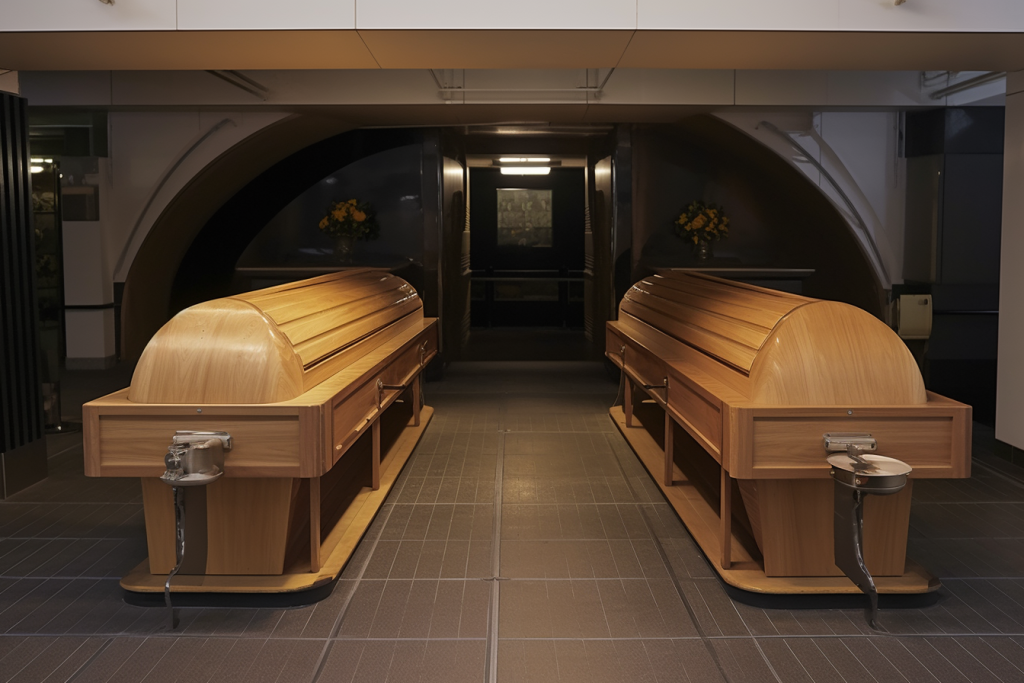
Detailed Cremation Procedure
The cremation process typically begins with obtaining the necessary legal documentation, including a death certificate and a cremation permit. These documents are crucial as they ensure all legal requirements are met and that the process is conducted ethically and respectfully.
Once the paperwork is in order, the body is prepared for cremation. This involves placing the deceased in a suitable coffin or container, usually made of a combustible material. Personal items like jewelry are often removed to prevent damage during the process.
The actual cremation takes place in a specially designed furnace, known as a cremator, where the body is subjected to intense heat, reducing it to ashes. This part of the process usually takes between one and three hours, depending on various factors like the size of the body and the type of container used. After the cremation, the ashes, also known as cremains, are carefully collected and placed in an urn or another container specified by the family.
Family members often have the option to witness the start of the cremation process, providing a moment for final farewells. However, this is entirely optional and depends on personal preference and cultural practices.
Exploring Affordable Cremation Options
One of the primary reasons families opt for cremation is its cost-effectiveness compared to traditional burial services. Several affordable options cater to different needs and budgets, allowing families to honor their loved ones without financial strain.
“No attendance cremations” are becoming increasingly popular for those seeking a simple and affordable solution. This option involves the cremation of the deceased without any formal service or family attendance. It is a cost-effective choice for families who may wish to hold a separate memorial service at a different time or location.
Another affordable option is choosing cremations that focus solely on the process itself, without additional services. These “”cremations only”” packages typically cover the basic procedures, including transportation of the body, necessary legal paperwork, the cremation itself, and returning the ashes to the family. This no-frills approach helps reduce costs significantly.
For those who prefer a more comprehensive package, many funeral homes offer service packages that bundle various elements together, such as transportation, a basic service, and cremation. This can provide a balance between affordability and the desire for a more traditional memorial.
Cremation Service Packages: What to Expect
Cremation service packages are designed to meet diverse needs and preferences, offering a range of options from the very basic to more elaborate arrangements. Understanding what each package includes can help families choose the one that best suits their circumstances.
A basic cremation package usually includes transportation of the deceased to the crematorium, the cremation itself, and the return of the ashes. Some packages also cover the cost of obtaining necessary permits and death certificates, which can save families time and effort during a difficult period.
For those seeking a more personalized farewell, enhanced packages may include options like a viewing or visitation before the cremation, a small memorial service, and the provision of a more decorative urn. These packages cater to families who wish to celebrate the life of their loved one in a more traditional manner, while still benefiting from the cost savings of cremation.
Additionally, some service providers offer eco-friendly options that focus on reducing the environmental impact of cremations. These packages may include biodegradable urns and carbon offsetting measures, appealing to families who are environmentally conscious.
What Happens During a Cremation?
Understanding what happens during a cremation can provide peace of mind for families and help them prepare for the process. The procedure remains straightforward, with a focus on respect and care.
Once the body is prepared, it is moved into the cremation chamber where it is exposed to high temperatures, usually between 800 and 1000 degrees Celsius. This intense heat breaks down the body into basic elements, resulting in ashes. The process is closely monitored to ensure it is carried out efficiently and respectfully.
Following the cremation, the remains are allowed to cool before being processed into a finer powder. This is done using a special machine known as a cremulator, which ensures the ashes are uniform in texture.
The final product, the cremains, is then placed in a container or urn chosen by the family. The ashes can be kept, scattered, or buried according to the wishes of the deceased and their family.
Cremation offers a practical and affordable alternative to traditional burial methods, allowing families to honor their loved ones in a manner that suits their needs and budget. Understanding the procedures and options, including no attendance cremations and various service packages, equips families with the knowledge to make informed decisions during a challenging time. Whether seeking a simple, cost-effective solution or a more personalized farewell, the flexibility and affordability of cremation make it a viable choice for many. As with any significant decision, taking the time to explore and understand the available options ensures a respectful and meaningful farewell for those held dear.
Disclaimer: This guide is intended for informational purposes only. Families should consult with professional service providers to understand the specific services and legal requirements applicable to their circumstances.
Navigating the Cremation Process: A Comprehensive Guide
©2024 All rights reserved