

Innovative Housing Solutions for Seniors: Modern and Sustainable Prefab Homes
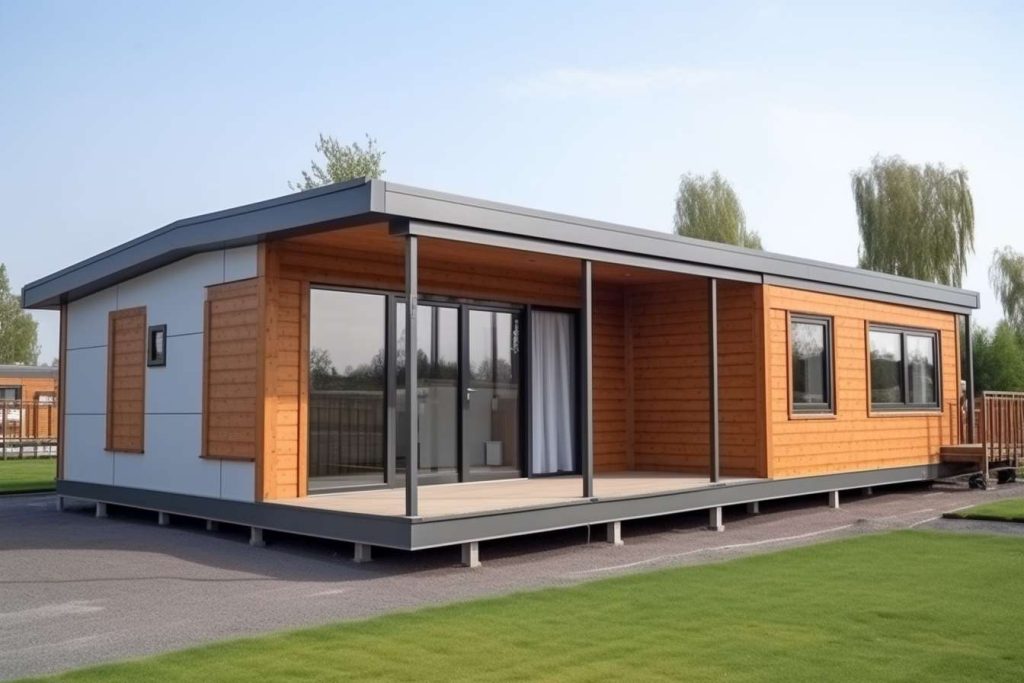
Understanding Prefabricated Homes
Prefabricated homes are dwellings manufactured off-site, usually in standard sections for easy shipping and assembly. This construction method allows for efficiency and better cost control compared to traditional on-site construction. Prefab homes come in various forms, including modular homes, panelized homes, and kit homes, each offering unique benefits and customization options.
Benefits of Prefab Homes for Seniors
For seniors, prefab homes offer several advantages. The rapid construction process ensures these homes are ready for occupancy faster than traditional homes. The cost savings from prefab construction provide financial benefits, allowing retirees to allocate resources to other critical areas such as healthcare or leisure activities. Furthermore, the customization options available mean seniors can design a living space tailored to their needs, whether for accessibility features or energy-efficient solutions.
Eco-Friendly Prefab Designs
In today’s world, sustainability is essential, and prefab homes lead the way in eco-friendly design. Many manufacturers incorporate green building practices and materials to reduce environmental impact. This approach is particularly appealing to seniors conscious of their legacy and seeking to minimize their carbon footprint.
Energy Efficiency and Sustainable Materials
Prefab homes often include features like solar panels, high-quality insulation, and energy-efficient windows and doors. These elements help reduce energy consumption and lower utility bills, which is vital for seniors on a fixed income. The use of sustainable materials, such as bamboo flooring, recycled steel, and non-toxic paints, further enhances the environmental friendliness of these homes.
Water Conservation and Landscaping
Innovative prefab designs also focus on water conservation, integrating features like low-flow faucets, dual-flush toilets, and drought-resistant landscaping. These elements contribute to sustainability and ensure seniors have low-maintenance gardens, allowing them to enjoy outdoor spaces without extensive upkeep.
Affordability and Accessibility
The affordability of prefab homes is one of their most attractive features, especially for seniors looking to downsize and reduce living expenses. With prices typically under $200,000, these homes provide an accessible entry point into homeownership for retirees.
Financial Benefits of Prefab Homes
Prefab homes are generally more affordable than traditional homes due to efficient building processes and reduced waste. Additionally, maintenance costs are usually lower, a significant advantage for seniors on a budget. The fixed pricing model of many prefab homes provides financial predictability, crucial for retirees managing their savings.
Designing for Accessibility
Manufacturers often include design elements that promote accessibility and safety. Features like single-level living, no-step entries, wider doorways, and grab bars in bathrooms are common, ensuring suitability for individuals with mobility challenges. The ability to customize these features allows seniors to tailor living spaces to their specific accessibility needs.
Innovative Designs for the Future
As we progress, the design of prefab homes evolves to meet the changing needs and preferences of seniors. Innovations in design not only improve functionality but also enhance aesthetic appeal.
Smart Home Technology Integration
Many modern prefab homes incorporate smart technologies, enabling seniors to control various aspects of their home environment easily. From automated lighting and heating systems to security features and home assistants, these technologies offer convenience and peace of mind, especially for those with mobility issues or cognitive impairments.
Community Living and Shared Spaces
Another trend is the development of communities encouraging social interaction and shared living spaces. These communities often feature shared gardens, recreational areas, and clubhouses, providing opportunities for seniors to engage with neighbors and participate in communal activities. This sense of community is vital for combating isolation that some seniors may experience.
The rise of innovative and affordable prefab homes offers a promising solution for the growing senior population in the United States. With eco-friendly designs, cost-effectiveness, and accessibility features, these homes present a practical and appealing option for retirees aiming to enjoy their golden years. As smart technologies continue to develop and community-focused designs evolve, the appeal of prefab homes will only increase, making them an ideal choice for seniors seeking modern, comfortable, and sustainable living environments.
Disclaimer: This article is for informational purposes only and does not constitute an endorsement or recommendation of specific products or services.
Innovative Housing Solutions for Seniors: Modern and Sustainable Prefab Homes
©2024 All rights reserved