

Exploring Energy-Efficient Cooling: A Guide to Air Conditioners Without Outdoor Units
Understanding Air Conditioners Without Outdoor Units
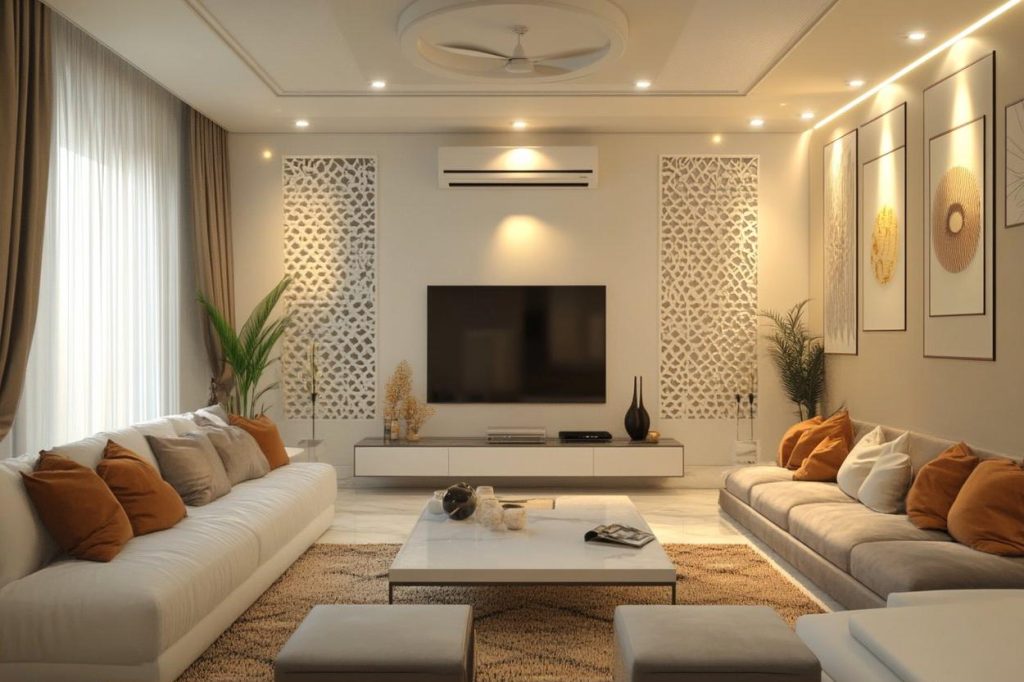
Air conditioners without outdoor units, often referred to as ductless or portable air conditioners, are gaining popularity for their convenience and energy efficiency. These systems are designed to provide optimal cooling without the bulky outdoor components typically associated with traditional air conditioning systems. This makes them ideal for urban areas with limited space or for buildings where installing an outdoor unit is not feasible.
Benefits of Ductless Air Conditioners
Ductless air conditioners offer several advantages over traditional systems. Firstly, they are generally easier to install since they do not require extensive ductwork, which can be both time-consuming and costly. This makes them an attractive option for homeowners and businesses looking to upgrade their cooling systems without major renovations.
Additionally, ductless systems are known for their energy efficiency. Unlike central air systems that can lose a significant amount of cooling capacity through ducts, ductless units deliver air directly into the room, minimizing energy loss. This direct delivery system is not only more efficient but also allows for better temperature control in individual rooms, potentially reducing energy bills.
Types of Air Conditioners Without Outdoor Units
There are primarily two types of air conditioners without outdoor units available in the market: portable air conditioners and split air conditioners.
Portable Air Conditioners: These units are compact and can be moved from room to room, making them an excellent choice for those who need cooling flexibility. They are easy to install as they usually just require a window to vent the hot air. Portable inverter models are particularly energy-efficient, offering variable speed settings that adjust the cooling power according to the room’s temperature, thus saving energy and reducing costs.
Split Air Conditioners: These systems consist of two parts: an indoor unit and a split outdoor component. However, modern technology has introduced models where the outdoor unit is significantly minimized, or sometimes integrated into the indoor unit. These are useful for spaces where traditional outdoor installations are impossible. They offer powerful cooling capabilities and are quieter than portable models, making them ideal for bedrooms and offices.
Factors to Consider When Buying an Air Conditioner Without an Outdoor Unit
Before purchasing an air conditioner without an outdoor unit, consider the following factors to ensure you choose the best system for your needs:
- Cooling Capacity: Measured in British Thermal Units (BTUs), the cooling capacity you need depends on the size of the space you intend to cool. Larger rooms will require units with higher BTUs.
- Energy Efficiency: Look for units with high Energy Efficiency Ratio (EER) ratings. Models with inverter technology are particularly efficient, as they adjust their power consumption based on the cooling needs of the room.
- Noise Levels: Consider the noise level of the unit, especially if you plan to use it in a bedroom or office. Generally, split systems are quieter compared to portable units.
- Installation and Maintenance: Consider the ease of installation and maintenance. Portable units are typically easier to set up, while split systems may require professional installation.
- Cost: Evaluate the air conditioning without outdoor unit price guide and consider your budget. Prices can vary significantly based on the brand, model, and features.
How to Purchase Air Conditioners Without Outdoor Units
With the increasing demand for energy-efficient cooling solutions, it is now easier than ever to buy air conditioners without outdoor units online. Numerous retailers offer a wide range of models, allowing for convenient comparison of prices and features.
When shopping online, ensure you choose a reputable retailer and check customer reviews for insights into product performance and reliability. Look for online platforms that offer comprehensive ductless air conditioner prices, allowing you to make an informed decision. Additionally, check if the retailer provides installation services or support, as this can be crucial for split systems.
Embracing Energy-Efficient Cooling Solutions
As urbanization continues and the demand for comfortable living and working environments increases, exploring modern, energy-efficient air conditioning solutions is imperative. Air conditioners without outdoor units provide an effective and adaptable option for cooling spaces without the need for extensive installations. By considering factors such as energy efficiency, noise levels, and cost, it is possible to select the best system to fit individual needs and budgets.
Investing in such technology not only enhances comfort but also contributes to sustainable energy consumption, aligning with global initiatives towards greener solutions. Whether opting for a portable inverter model or a sophisticated split air conditioner, embracing these innovative cooling solutions will ensure comfort and environmental consciousness in the future and beyond.
Disclaimer: All content, including text, graphics, images and information, contained on or available through this web site is for general information purposes only. The information and materials contained in these pages and the terms, conditions and descriptions that appear, are subject to change without notice.
Exploring Energy-Efficient Cooling: A Guide to Air Conditioners Without Outdoor Units
©2024 All rights reserved