

Exploring the Future of Innovative Housing Solutions
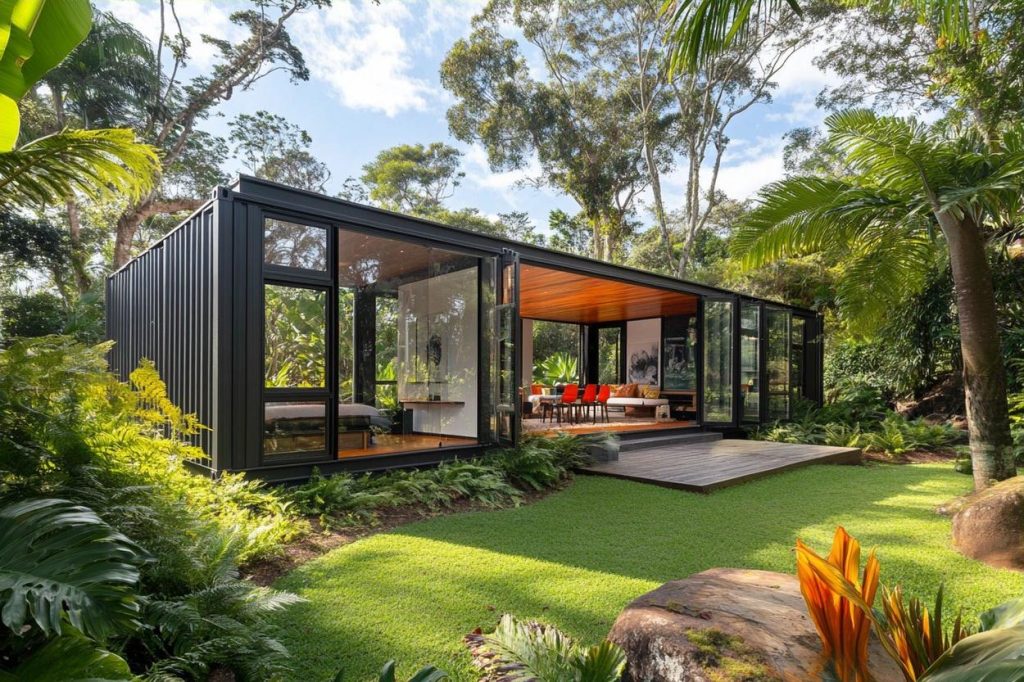
The Rise of Container Homes in Canada
Container homes have gained significant popularity in Canada due to their affordability, sustainability, and versatility. These homes, constructed from repurposed shipping containers, provide a unique solution to the housing crisis, offering a cost-effective alternative to traditional housing. Indications show that these homes are not only budget-friendly but also available in a variety of designs to cater to different needs. Whether you’re looking for an urban dwelling or a countryside retreat, container homes are reshaping the Canadian housing landscape.
The appeal of container homes lies in their adaptability. They can be customized to accommodate different sizes, from compact studio units to spacious three-bedroom homes. Moreover, their modular nature allows for easy expansion or downsizing, making them an ideal choice for those seeking flexibility in their living arrangements. As awareness of environmental issues grows, more Canadians are turning to these eco-friendly options that minimize waste and reduce the carbon footprint associated with traditional construction.
Design Innovations and Customization
One of the most exciting aspects of container homes is their potential for innovative design and customization. Architects and builders are constantly exploring new ways to transform these steel boxes into comfortable, aesthetically pleasing living spaces. With the use of high-quality insulation, energy-efficient windows, and modern interior finishes, container homes can offer the same level of comfort and style as conventional homes.
For families, three-bedroom container homes provide ample space without compromising on design. These homes often feature open-plan living areas, multiple bedrooms, and outdoor decks, offering a seamless blend of indoor and outdoor living. For seniors, specialized designs ensure ease of access and mobility, with single-level layouts and wider doorways. Such adaptations make them a viable option for aging populations seeking independence.
Customization extends beyond the interior. The exterior of a container home can be tailored to suit personal tastes or blend with the surrounding environment. From sleek, modern facades to rustic, natural finishes, the possibilities are endless. This level of personalization allows homeowners to create a unique space that reflects their personality and lifestyle.
Economic and Environmental Benefits
Container homes are not just a trend; they represent a sustainable and economically viable solution for the future. Projections suggest that these homes will remain an affordable option compared to traditional housing, making them accessible to a broader demographic. The reduced construction time and lower material costs contribute to their affordability, while their durability ensures longevity.
Environmentally, container homes score high marks. By repurposing used shipping containers, these homes help reduce waste and make use of existing resources. The construction process itself is less intrusive, with minimal impact on the land, preserving natural habitats. Additionally, container homes often incorporate sustainable technologies, such as solar panels and rainwater harvesting systems, further enhancing their eco-friendly credentials.
The energy efficiency of container homes also translates into long-term savings for homeowners. With proper insulation and energy-efficient systems, utility costs are significantly reduced. This economic benefit, combined with the environmental advantages, positions container homes as a forward-thinking choice for Canadian homeowners.
Challenges and Considerations
Despite their many benefits, container homes are not without challenges. One of the primary concerns is the regulatory environment. Building codes and zoning regulations can vary significantly across provinces and municipalities, impacting the feasibility of constructing container homes in certain areas. Prospective buyers need to navigate these regulations carefully to ensure compliance and avoid potential legal issues.
Another consideration is the quality of the containers themselves. Not all shipping containers are created equal, and it’s crucial to select those that are structurally sound and free from harmful chemicals. Working with reputable suppliers and builders is essential to ensure the safety and longevity of the home.
Financing can also be a hurdle for some buyers, as not all financial institutions recognize container homes as a standard form of housing. However, as the market for container homes grows, it’s likely that more lenders will begin to offer tailored mortgage products to accommodate this unique housing option.
The future of container homes in Canada looks promising, with their affordability, adaptability, and sustainability driving increased interest and adoption. As competitive and accessible pricing continues to be a hallmark of these structures, more Canadians are likely to consider these innovative homes as a viable alternative to traditional housing. While challenges remain, ongoing advancements in design, construction, and regulation are paving the way for container homes to become a mainstream housing solution.
Container homes are set to play a significant role in addressing Canada’s housing needs, offering a practical and eco-friendly option for individuals and families alike. By embracing this trend, Canada is not only tackling the housing crisis but also setting a precedent for sustainable living in the modern world. Whether seeking a family home, a senior-friendly space, or a customized retreat, the world of container homes offers endless possibilities for the future.
Disclaimer: All content, including text, graphics, images and information, contained on or available through this web site is for general information purposes only. The information and materials contained in these pages and the terms, conditions and descriptions that appear, are subject to change without notice.
Exploring the Future of Innovative Housing Solutions
©2024 All rights reserved