

Exploring Affordable Electric Cars for Seniors in the UK: Innovations and Surprising Benefits
Automakers Catering to Senior Needs
Automakers are increasingly focusing their efforts on designing electric vehicles that cater specifically to the needs of seniors. These innovations in electric car design place a high priority on comfort, safety, and usability, ensuring that seniors can enjoy a seamless and stress-free driving experience. One of the standout features in these new electric cars is the enhanced seating design. Seats now come with adjustable height and lumbar support, making it easier for seniors to enter and exit the vehicle. This feature is especially beneficial for those with mobility challenges or joint issues. Furthermore, some models offer heated and ventilated seats, which provide added comfort during long journeys or in extreme weather conditions.
Dashboard interfaces have also undergone significant improvements. Intuitive touchscreen displays with larger fonts, voice-activated controls, and simplified navigation systems make it easier for seniors to operate their vehicles without distraction. The inclusion of assistive technologies such as lane-keeping assist, adaptive cruise control, and automatic emergency braking further enhances safety, allowing seniors to drive with confidence. Moreover, the design of these cars includes wider doors and lower step-in heights, making getting in and out of the vehicle more manageable. Rearview cameras and 360-degree sensors assist in parking and maneuvering, reducing the stress of driving in crowded areas.
Expanding EV Charging Infrastructure
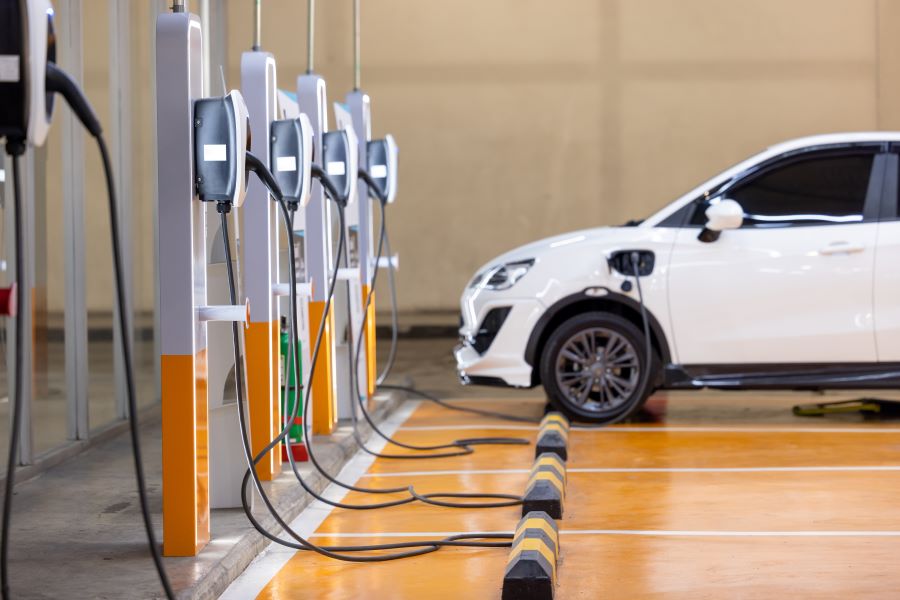
As the demand for electric vehicles grows in the UK, so too does the network of EV charging stations. For seniors, this expansion translates to greater convenience and accessibility, making it easier than ever to own and operate an electric vehicle. Multifamily dwellings, such as apartment complexes and retirement communities, are increasingly installing EV charging stations. According to a recent report by the UK Department for Transport, the number of public charging stations has risen significantly in recent years. This growth supports the transition to electric vehicles by alleviating one of the primary concerns for potential EV owners: range anxiety.
Seniors living in suburban or rural areas can also benefit from this trend. Many local councils and utility companies are incentivizing the installation of home charging units through grants and tax credits. This means seniors can charge their vehicles overnight, ensuring their car is ready for use each day without the hassle of finding a public charging station. For instance, the UK government’s Electric Vehicle Homecharge Scheme provides financial support to those installing a home charging point. This initiative not only encourages the transition to electric vehicles but also simplifies the charging process for seniors.
Affordability and Practicality
One of the most exciting developments in the electric vehicle market is the reduction in cost, making electric cars a viable option for budget-conscious seniors. Prices of electric vehicles are expected to be more competitive than ever, thanks to advancements in battery technology and increased production efficiencies. The cost of lithium-ion batteries, a major component of electric vehicles, has dropped significantly over the past decade, according to BloombergNEF. This reduction has allowed manufacturers to lower the overall cost of electric cars. Additionally, government incentives, such as the UK’s Plug-in Car Grant, further reduce the financial burden for seniors looking to transition to electric vehicles.
Several automakers have unveiled models specifically designed for affordability and practicality, targeting senior drivers who may not require the latest high-tech features but still desire a reliable and eco-friendly mode of transport. For example, compact models from brands like Nissan and Renault are priced competitively, offering impressive range and essential features at a fraction of the cost of luxury EVs. By choosing an electric car, seniors are not only embracing new technology but also contributing positively to the environment.
Environmental Benefits
Electric vehicles produce zero tailpipe emissions, which significantly reduces air pollution and greenhouse gas emissions. This shift is crucial for mitigating climate change and improving air quality in urban areas. Seniors, who often have a vested interest in leaving a healthier planet for future generations, can take pride in knowing that their choice of transportation helps reduce the carbon footprint. According to a study by the Union of Concerned Scientists, electric cars produce less than half the emissions of comparable petrol-powered vehicles over their lifetime, including manufacturing and electricity generation for charging.
Moreover, as the power grid becomes increasingly reliant on renewable energy sources like wind and solar, the environmental benefits of driving an electric vehicle will only grow. In the UK, initiatives like the Renewable Energy Guarantees of Origin (REGO) scheme ensure that the electricity used for charging electric vehicles is derived from renewable sources. Seniors who opt for electric cars are thus playing an important role in the transition to sustainable energy.
The electric vehicle market offers seniors in the UK a unique opportunity to embrace sustainable transportation that aligns with their needs and values. With cars designed for comfort and safety, an expanding charging infrastructure, and more affordable pricing, there has never been a better time for seniors to consider making the switch to electric. As with any major purchase, seniors should conduct thorough research and consult with family members or financial advisors to ensure that their choice fits their lifestyle and budget. By doing so, they can enjoy the benefits of modern electric vehicles while contributing to a healthier planet for themselves and future generations.
Disclaimer: The information provided here is for informational purposes only and should not be considered as financial or purchasing advice. Always consult with professionals before making significant financial decisions.
Exploring Affordable Electric Cars for Seniors in the UK: Innovations and Surprising Benefits
©2024 All rights reserved