

Exploring the Cremation Process: What to Expect
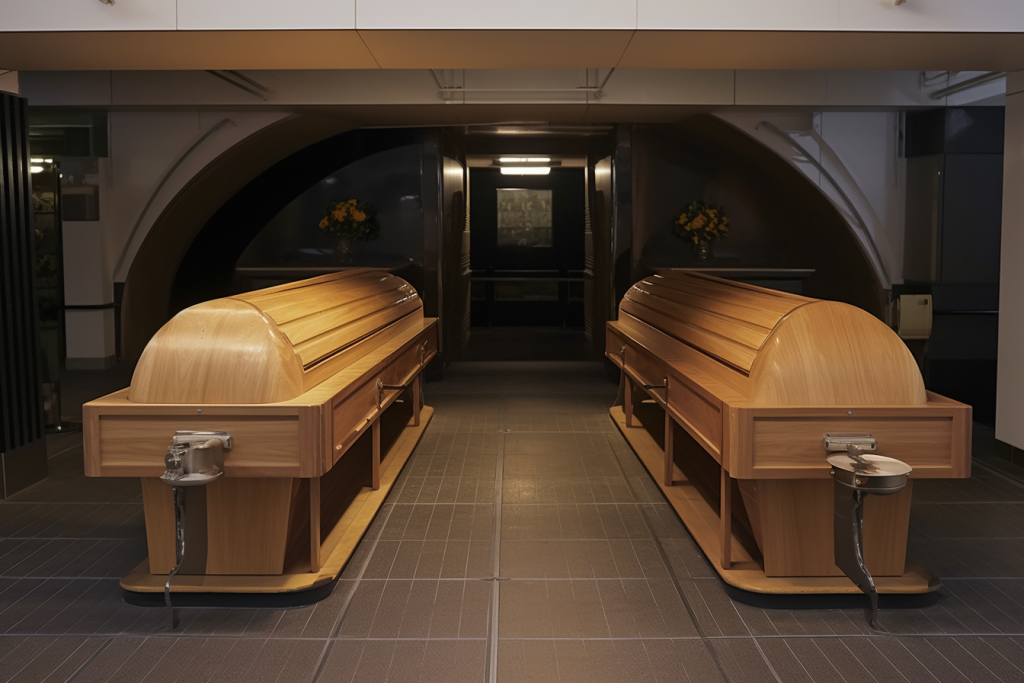
Understanding the Basics of Cremation
Cremation has become an increasingly popular choice for many families, driven by both practical and philosophical considerations. One of the primary reasons for its growing popularity is the flexibility it offers in terms of memorialization. Families have the option to hold a traditional service before the cremation or organize a separate memorial at a later date. Additionally, cremation is often seen as a more environmentally friendly option compared to traditional burial, as it typically requires fewer resources and less land use.
The process of cremation is conducted with utmost care and respect, adhering to strict regulations and guidelines to ensure dignity for the deceased and peace of mind for the bereaved. Understanding the basics of the cremation process can help demystify the procedure and alleviate concerns that families may have.
The Step-by-Step Cremation Process
- Preparation and IdentificationBefore the actual cremation takes place, several important steps must be completed. Firstly, the deceased is identified, and all necessary paperwork is verified. This usually involves documentation from a medical professional confirming the death and any required permits from local authorities. It is standard practice for the crematorium to have a stringent identification process to ensure that the remains are handled correctly.
The body is then prepared for cremation. This involves removing any items that could affect the cremation process, such as medical devices, jewelry, or personal belongings. Families are often given the option to decide what should be done with these items, whether they wish to keep them as mementos or donate them to charity.
- The Cremation CeremonyFor many families, having a ceremony or service before the cremation is an integral part of the mourning process. Crematoriums offer various options to accommodate different cultural and religious practices. Some families choose a simple service, while others may incorporate music, readings, and eulogies to celebrate the life of their loved one.
The service can be held in a chapel associated with the crematorium, or at a separate location of the family’s choosing. After the ceremony, the casket is transferred to the cremation chamber, also known as a retort. Family members may be given the opportunity to witness this part of the process if they wish, providing a final moment of closure.
- The Cremation ProcessThe actual cremation process takes place in a specially designed furnace, where the body is subjected to intense heat, typically reaching temperatures between 800 and 1000 degrees Celsius. This process usually lasts about 90 minutes to two hours, depending on the size and weight of the body.
During the cremation, the body is reduced to bone fragments and ash. Once the process is complete, the remains are cooled and carefully processed to remove any metal residues, such as surgical implants. The remaining bone fragments are then ground into a fine powder, commonly referred to as “ashes” or “cremains.”
After Cremation: Options for the Ashes
Once the cremation is completed, families are presented with several options for the final disposition of the ashes. This decision is deeply personal and can be influenced by the deceased’s wishes, religious beliefs, or family traditions.
- Scattering the AshesOne popular option is to scatter the ashes in a location that holds special significance, such as a favorite park, garden, or body of water. There are numerous picturesque locations that are favored for this purpose. However, it is essential to check local regulations and obtain any necessary permissions before scattering ashes in public areas.
- Interment or BurialAnother option is to inter the ashes in a cemetery or memorial garden. Many cemeteries offer dedicated plots or columbarium niches for the burial of cremated remains. This option provides a permanent and accessible place for family and friends to visit and pay their respects.
- Keeping the Ashes at HomeSome families choose to keep the ashes at home in a decorative urn or other container. This can offer comfort and a sense of closeness to the deceased. There are many unique and personalized urn designs available, allowing families to select one that reflects the personality or interests of their loved one.
- MemorializationAdditionally, there are creative ways to memorialize a loved one using their ashes. These can include incorporating the ashes into jewelry, creating a memorial reef, or even transforming them into a work of art. These options provide a tangible and lasting tribute that can be cherished for generations.
A Respectful and Considerate Choice
Cremation is a process that combines respectful tradition with modern considerations. As families navigate the difficult journey of saying goodbye to a loved one, understanding the cremation process can provide reassurance and clarity. The options available for memorialization offer personalized ways to honor and remember those who have passed.
Whether chosen for its environmental benefits, cultural significance, or personal preference, cremation offers a dignified and flexible option for end-of-life planning. By exploring the various stages and options associated with cremation, families can make informed decisions that align with their values and the wishes of their loved ones, ensuring a meaningful farewell.
Disclaimer: All content, including text, graphics, images and information, contained on or available through this web site is for general information purposes only. The information and materials contained in these pages and the terms, conditions and descriptions that appear, are subject to change without notice.
Exploring the Cremation Process: What to Expect
©2024 All rights reserved