

Innovative Housing Solutions: A Look at the Future of Prefab Homes
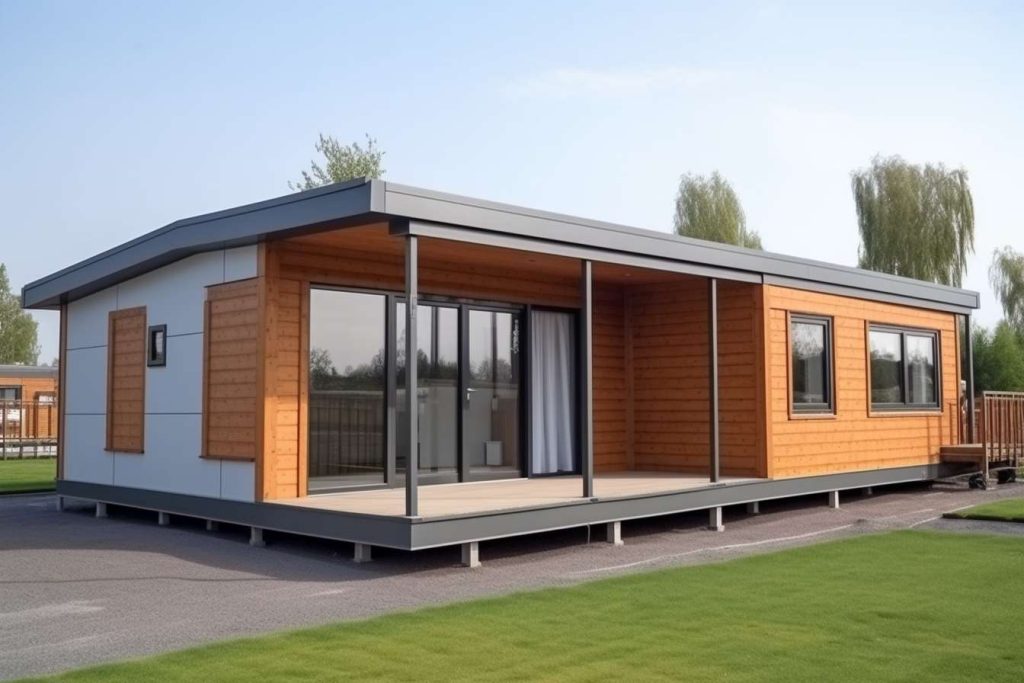
Sustainable Design Principles
One of the most compelling aspects of prefab homes is their commitment to sustainable design. These homes are engineered to minimize environmental impact throughout their lifecycle, from construction to habitation. By using eco-friendly materials and energy-efficient technologies, prefab homes drastically reduce carbon footprints compared to traditional homes.
For instance, many prefab homes incorporate solar panels, rainwater harvesting systems, and high-efficiency insulation to optimize energy use. These features not only contribute to a healthier planet but also result in lower utility bills for homeowners. Additionally, the precision of factory-built components ensures less material wastage, as each piece is crafted to fit perfectly, reducing the need for adjustments and repairs.
Moreover, the modular nature of prefab homes allows for flexibility in design, enabling homeowners to choose layouts and features that best suit their lifestyle while maintaining an eco-friendly footprint. As a result, these homes offer a harmonious blend of style, functionality, and sustainability, setting a new standard for modern living in Australia.
Cutting-Edge Technology in Construction
The integration of cutting-edge technology in the construction of prefab homes is another significant advantage. These homes are built using state-of-the-art manufacturing techniques that ensure precision and quality. Computer-aided design (CAD) and Building Information Modeling (BIM) are commonly used to create detailed blueprints, which guide the production process.
In the factory setting, advanced machinery and robotics are employed to produce components with high accuracy. This approach not only speeds up the construction process but also reduces human error, resulting in a superior finished product. Furthermore, the controlled environment of a factory allows for consistent quality checks, ensuring that each home meets stringent standards before it is transported to the site.
Once on-site, the assembly of a prefab home is remarkably quick and efficient, often taking just a few days to complete. This rapid construction reduces the disruption to the surrounding environment and community, making it an ideal solution for urban areas where space and time are limited. As technology continues to advance, the precision and efficiency of prefab homes are expected to increase, further solidifying their place in the future of housing.
Affordability and Customization
Affordability is a key factor driving the popularity of prefab homes. The streamlined construction process significantly reduces labor and material costs, making these homes an attractive option for budget-conscious buyers. In a housing market where prices are continually on the rise, prefab homes offer a cost-effective alternative without compromising on quality or style.
Furthermore, the modular design of prefab homes provides a high degree of customization, allowing homeowners to personalize their space according to their needs and preferences. From choosing the number of rooms and floor plans to selecting finishes and fixtures, buyers can create a home that truly reflects their personality and lifestyle. This level of customization is often not feasible with traditional homes due to the complexity and cost involved.
In addition to being affordable, prefab homes can also be expanded or modified with relative ease, accommodating changing family dynamics or personal tastes over time. This flexibility ensures that a prefab home can evolve with its owners, providing a long-term housing solution that adapts to life’s changes.
The Future of Housing in Australia
As Australia continues to grapple with housing shortages and environmental challenges, prefab homes present a viable solution for the future. Their sustainable design, technological innovation, affordability, and customization options make them an attractive choice for a wide range of buyers, from young professionals to growing families and retirees.
Support and incentives for sustainable building practices are likely to further boost the adoption of prefab homes. By prioritizing eco-friendly construction and energy-efficient living, policymakers can facilitate the growth of this innovative housing sector and contribute to a more sustainable future.
Moreover, as societal values shift towards environmental consciousness and smart living, the demand for homes that align with these principles is expected to rise. Prefab homes are well-positioned to meet this demand, offering a harmonious balance between modernity, sustainability, and practicality.
Exploring the future of living through prefab homes in Australia reveals a promising outlook for modern housing solutions. These homes embody the principles of sustainable design, cutting-edge technology, and affordability, offering a compelling alternative to traditional construction methods. As the housing market evolves, prefab homes provide a flexible and eco-friendly lifestyle choice that aligns with the needs of contemporary Australians. By embracing this innovative approach, homeowners can enjoy a stylish and efficient living environment while contributing to a more sustainable and resilient future.
Disclaimer: This article provides general information about prefab homes and does not constitute professional advice. Please consult a housing expert or builder for specific guidance related to your situation.
Innovative Housing Solutions: A Look at the Future of Prefab Homes
©2024 All rights reserved