

Finding the Perfect Home: A Guide to Senior Housing Options
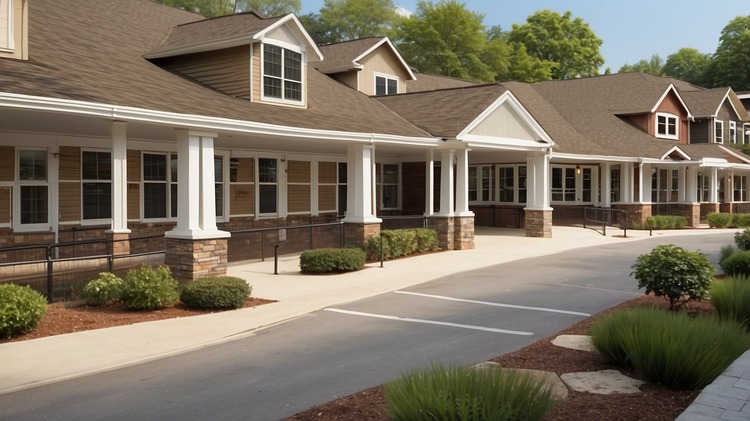
Understanding Senior Housing Options
As individuals reach the age of 60 and beyond, finding the right living situation becomes an important consideration. Senior housing encompasses a range of options designed to meet varying needs, from independent living communities to assisted living facilities and continuing care retirement communities (CCRCs). These options provide not only accommodation but also a supportive environment tailored to enhance the quality of life for older adults.
Independent Living Communities are ideal for seniors who are self-sufficient but prefer a lifestyle with minimal maintenance responsibilities. These communities often offer amenities like fitness centers, social activities, and transportation services, allowing residents to enjoy an active and engaging lifestyle without the burden of home upkeep. Assisted Living Facilities, on the other hand, provide additional support with daily activities such as medication management, bathing, and dressing, while still promoting independence. CCRCs offer a combination of independent living, assisted living, and nursing care, allowing residents to age in place as their needs change over time.
Understanding these options is the first step in finding a living situation that aligns with personal preferences and health requirements. It’s important to assess current and future needs to ensure that the chosen community can provide appropriate care and support over time.
Benefits of Spacious Living: Two-Bedroom Apartments
When considering senior housing, the size and layout of the living space play a significant role in comfort and practicality. Opting for a two-bedroom apartment can offer numerous advantages for older adults seeking a balance between independence and convenience. The extra space provides flexibility for various uses, such as accommodating visiting family members, creating a home office, or setting up a hobby room to pursue interests like painting, crafting, or reading.
A larger apartment can also enhance the overall living experience by providing more room for personal belongings and cherished items collected over the years. This can make the new space feel more like home, easing the transition into a senior community. Additionally, having a second bedroom allows for the possibility of a live-in caregiver or roommate, which can be both a source of companionship and a way to share living expenses. This arrangement can also provide an added sense of security and assistance with daily tasks if needed.
Moreover, two-bedroom units often have higher resale or rental value within communities, making them a potentially wiser investment. They may also be located in prime areas of the community, offering better views or proximity to amenities like dining halls, recreation centers, or outdoor spaces.
Choosing the Right Senior Housing for Your Needs
Selecting the appropriate housing option involves careful consideration of personal preferences, health needs, and financial factors. Start by assessing your current lifestyle and identifying what amenities and services are most important to you. For instance, if you value social interaction and organized activities, look for communities that offer a robust schedule of events, clubs, and classes that align with your interests. Amenities such as swimming pools, gardens, or walking trails might also enhance your living experience.
It’s crucial to consider the level of support you may require now and in the future. Even if you are currently independent, choosing a community that offers assisted living services or access to medical care can provide peace of mind knowing that additional help is available if needed. Visiting several communities and speaking with current residents can provide valuable insights into the daily life and culture of each option. Pay attention to the staff’s responsiveness, the cleanliness of the facilities, and the overall atmosphere during your visits.
Financial planning is another key aspect; understanding the costs involved and exploring potential funding options, such as pensions, retirement savings, or government assistance programs, can help you make an informed decision. Don’t forget to factor in additional expenses such as utilities, maintenance fees, and possible healthcare costs. Consulting with a financial advisor who specializes in senior living can provide clarity and assist in budgeting for this new chapter in life.
Navigating the Application Process
Once you’ve identified potential housing options, the next step is to navigate the application process. Begin by scheduling tours to visit the communities in person, which allows you to experience the environment firsthand and ask questions. During your visit, inquire about the availability of spacious units, the community’s policies, and any waiting lists. It’s also beneficial to attend community events if possible, to get a sense of resident engagement and satisfaction.
Prepare the necessary documentation in advance, which may include financial statements, medical records, and references. Some communities may require a health assessment to ensure they can meet your needs effectively. It’s advisable to review the lease or residency agreement thoroughly, possibly with legal counsel, to understand all terms and conditions before making a commitment. Pay attention to policies regarding pets, visitors, and any additional fees that may apply.
Additionally, consider the logistics of moving and settling into your new home. Planning the move carefully can reduce stress and ensure a smooth transition. This might involve downsizing belongings, coordinating with moving services, and setting up utilities and services in your new residence.
Embracing Your New Community
Transitioning to senior housing is not just about finding a new place to live; it’s about embracing a new community and lifestyle. Take advantage of the amenities and activities offered to build connections and stay active. Engaging with neighbors and participating in community events can enrich your experience and foster a sense of belonging.
Consider exploring new hobbies or volunteering within the community. Many senior living environments offer opportunities to contribute, such as organizing events, leading clubs, or mentoring others. Staying socially and mentally active is beneficial for overall well-being and can make your new residence truly feel like home.
Finding the ideal senior housing option is a significant step toward enjoying a comfortable and fulfilling lifestyle in your golden years. By understanding the various options available, considering the benefits of spacious living, and carefully selecting a community that aligns with your needs, you can make a well-informed decision that enhances your quality of life. Remember, the goal is to find a place where you can thrive, stay connected, and continue to pursue your passions with ease and joy.
Finding the Perfect Home: A Guide to Senior Housing Options
©2024 All rights reserved